

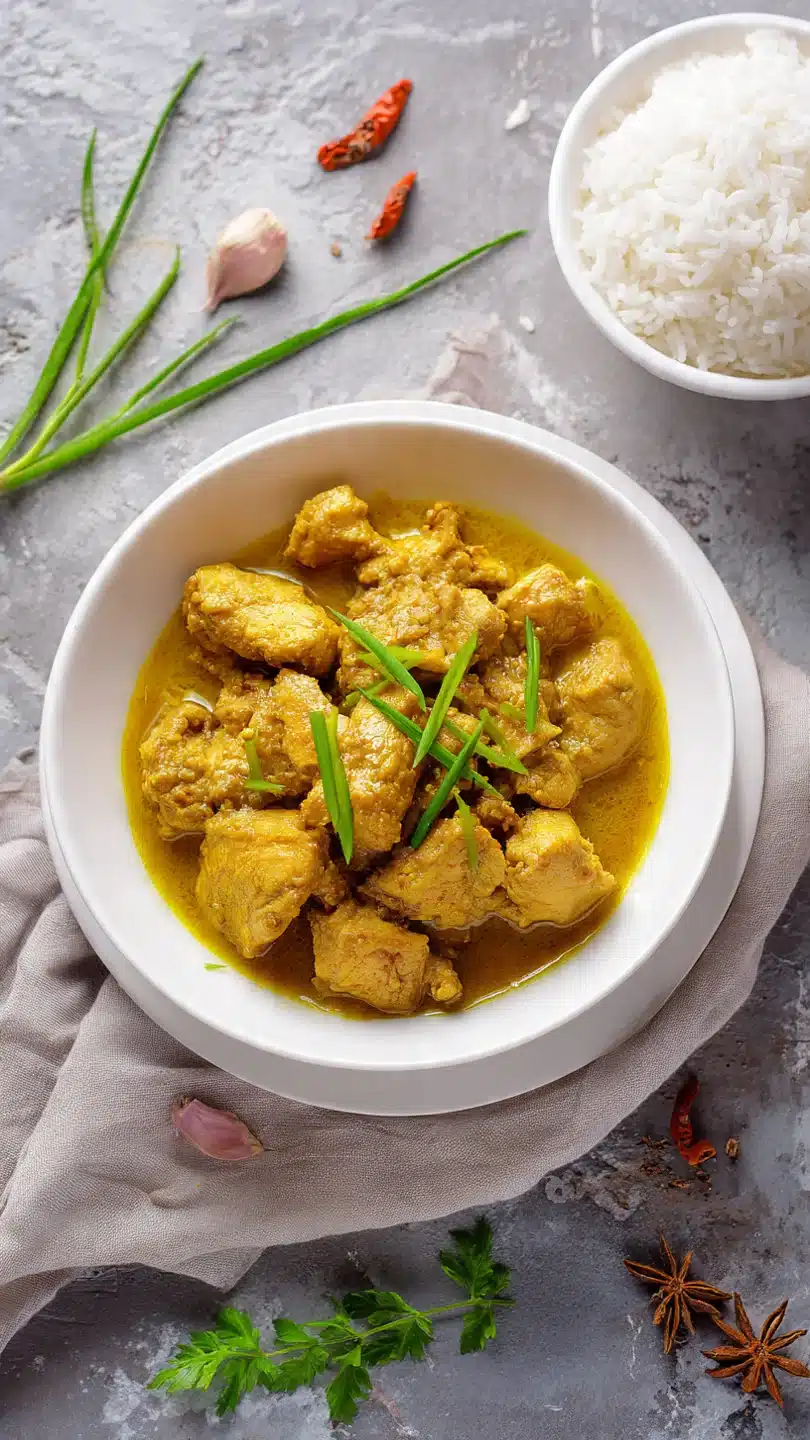
Curry chicken
There’s something deeply comforting about a pot of curry chicken simmering on the stove. The aroma of toasted spices, ginger, and garlic fills the kitchen with a promise of a satisfying, flavor-packed meal. As a chef, I’ve made countless versions, but this one-pan method is my go-to for busy weeknights because it delivers incredible depth without a long list of steps or dishes.
You’ll get tender, juicy chicken enveloped in a creamy, aromatic sauce that’s just begging to be soaked up with rice or naan. It’s the kind of meal that feels special but is deceptively simple to pull together. Let’s make a curry that will have everyone asking for seconds.
This recipe is designed for real-life cooking, balancing fantastic flavor with practical ease.
- One-pan convenience: From sear to simmer, everything happens in a single pot, meaning flavor builds and cleanup is minimal.
- Big flavor, fast: Toasting the spices and using a blend of aromatics creates a complex taste profile that usually takes hours, all in under an hour.
- Foolproof technique: Searing the chicken first ensures juicy bites, while simmering in the sauce guarantees it’s cooked through and infused with flavor.
- Diet-flexible: Naturally gluten-free and dairy-free, this recipe is easy to adapt for various dietary needs without sacrificing creaminess.
- Meal prep champion: The flavors improve overnight, making it a perfect make-ahead option for lunches or easy dinners later in the week.
- Family-friendly: The sauce is rich and creamy with adjustable heat, appealing to both adults and kids alike.
Ingredients You’ll Need
- Let’s gather our ingredients—this is where the magic starts. You’ll notice we’re using mostly pantry staples, with a few fresh items that make all the difference. The combination of warm, toasted spices with the richness of coconut milk is what creates that signature curry house taste at home.
- Boneless, skinless chicken thighs: I strongly recommend thighs over breasts here. They have more fat, which means they stay incredibly juicy and tender through the simmering process. If you must use breasts, reduce the simmering time by 5 minutes to prevent dryness.
- Aromatics: A large yellow onion, fresh garlic, and fresh ginger form the essential flavor base. Please use fresh ginger—the jarred paste can sometimes have a metallic note.
- Spice blend: We’re using curry powder as our foundation, boosted with individual ground cumin, coriander, and turmeric. A good-quality curry powder (like Madras) makes a noticeable difference.
- Liquids: Canned diced tomatoes add acidity and body, low-sodium chicken broth builds the sauce, and full-fat coconut milk is non-negotiable for that luxurious, creamy finish.
- Finishes: Fresh cilantro brightens everything up. If you’re not a cilantro fan, fresh parsley or a squeeze of lime juice are great alternatives.

Note: You’ll find the complete list of ingredients, along with their exact measurements, in the printable recipe card at the bottom of this post.
Kitchen Equipment Needed
You don’t need any special equipment for this recipe, which is part of its beauty. A heavy-bottomed pot is key for even cooking and preventing the spices from burning.
- A large, deep skillet or Dutch oven (3-4 quart capacity): This is your workhorse. It needs to be large enough to sear the chicken in a single layer (or in batches) and deep enough to hold all the sauce for simmering.
- Basic prep tools: A sharp chef’s knife and cutting board for dicing the onion and mincing garlic, a microplane or fine grater for the ginger, and a set of measuring spoons.
- A sturdy wooden spoon or spatula for stirring and scraping up the flavorful browned bits (the fond) from the bottom of the pan.
How to Make Curry Chicken Recipe
Step 1: Sear the Chicken for Flavor
Pat your chicken pieces thoroughly dry with paper towels—this is the secret to a golden sear, not a pale steam. Heat oil in your pot over medium-high heat. Add the chicken in a single layer, giving each piece some space.
Believe me, crowding the pan is the most common mistake; it drops the temperature and steams the meat. We’re not cooking it through now, just building a beautiful brown crust that adds immense flavor to the final sauce. Sear for 2-3 minutes per side, then transfer to a plate.
Step 2: Build the Aromatic Base
In the same pot with all those delicious browned bits, reduce the heat to medium. Add the diced onion and cook, stirring occasionally, until it’s soft and taking on a light golden color, about 5-6 minutes. Now add the minced garlic and grated ginger.
Stir constantly for just one minute. You’ll know it’s ready when the sharp, raw smell transforms into a sweet, fragrant aroma. Burning garlic is bitter, so watch it closely.
Step 3: Toast the Spices
This is where we unlock the magic. Add all the ground spices—curry powder, cumin, coriander, and turmeric—directly to the onions. Stir constantly for about 30 seconds.
Tip from me: Toasting spices in oil, a technique called blooming, releases their essential oils and compounds, transforming them from flat and dusty to deep, complex, and aromatic. Your kitchen will smell incredible.
Step 4: Simmer to Perfection
Pour in the diced tomatoes with their juices, using your spoon to scrape up every last bit of fond from the pot bottom. Add the chicken broth and return the seared chicken (and any juices on the plate) to the pot. Bring it to a lively simmer, then cover and reduce the heat to maintain a gentle bubble.
Let it cook for 15 minutes. This covered simmer allows the chicken to cook through gently and the flavors to start marrying.
Step 5: Finish the Creamy Sauce and Serve
Uncover the pot and stir in the full-fat coconut milk. Let it simmer uncovered for another 8-10 minutes. This final simmer reduces the sauce slightly, thickening it to a lush, creamy consistency that will coat the chicken beautifully.
Taste it—this is your moment to adjust. Need more salt? A pinch more cayenne?
Now’s the time. Remove from the heat, stir in half the cilantro, and get ready to serve.
A few chef-driven insights will ensure your curry is a standout every single time.
- The Dry Chicken Secret: Moisture is the enemy of browning. Taking an extra minute to pat your chicken completely dry is the single best thing you can do for flavor development in the first step.
- Spice Blooming is Non-Negotiable: Don’t just dump the spices into the liquid. Blooming them in the oil for that brief 30 seconds eliminates any raw, chalky taste and creates a much more rounded, authentic curry flavor.
- Simmer, Don’t Boil: Once the coconut milk is added, keep the heat at a gentle simmer. A rolling boil can cause the coconut milk to separate, making the sauce look grainy instead of smooth and creamy.
- Rest for Flavor: If you can manage it, let the finished curry sit off the heat for 10-15 minutes before serving. This allows the flavors to settle and integrate more fully, and the sauce will thicken a bit more.
Recipe Variations
- This recipe is a wonderful canvas. Once you’ve mastered the base, try these tested twists.
- Spinach & Pea Curry: Stir in 2 cups of fresh baby spinach and 1 cup of frozen peas during the last 3 minutes of cooking for a veggie-packed version.
- Thai Red Curry: Substitute the curry powder, cumin, and coriander with 2-3 tablespoons of Thai red curry paste. Use fish sauce instead of salt for authentic flavor.
- Butter Chicken Style: Stir in 2 tablespoons of butter and 1/4 cup of heavy cream (instead of all coconut milk) at the end for a richer, North Indian-style sauce.
- Vegetable Curry: Replace the chicken with 3 cups of hearty vegetables like cauliflower florets, diced potatoes, and carrots. Simmer until the vegetables are tender.
- Extra Creamy: For an even richer sauce, stir in 2-3 tablespoons of plain Greek yogurt or cashew cream at the very end, off the heat.
What to Serve With This Recipe
Curry chicken is a complete meal when paired with the right sides. The goal is to have something to soak up every last drop of that delicious sauce.
Steamed basmati rice is the classic and perfect choice—its fluffy, separate grains are ideal. For a heartier meal, try it with quinoa or cilantro-lime rice. Warm, buttery naan or fluffy roti are essential for scooping.
For a lighter option, a simple cucumber salad with yogurt, mint, and a squeeze of lemon provides a cool, crunchy contrast. This dish is perfect for casual weeknight dinners, but it’s also impressive enough for entertaining guests.
Storage & Make-Ahead Instructions
- This curry stores and reheats beautifully, often tasting even better the next day.
- Refrigeration: Cool completely, then store in an airtight container in the refrigerator for up to 4 days.
- Freezing: Freeze in portion-sized containers for up to 3 months. Thaw overnight in the refrigerator before reheating.
- Reheating: Gently reheat in a saucepan over low-medium heat, stirring occasionally. If the sauce has thickened too much, add a splash of chicken broth or water to loosen it. Avoid microwaving on high power, as it can cause the coconut milk to separate.
- Make-Ahead: You can fully prepare the curry 1-2 days in advance. Gently reheat before serving, adding a little broth if needed. The flavors will have melded wonderfully.
Frequently Asked Questions
Q: Can I use chicken breasts instead of thighs?
A: Yes, but be cautious. Chicken breasts are leaner and can dry out more easily. If using breasts, reduce the initial simmer time (after adding broth) to about 10 minutes, and check for doneness early.
I still highly recommend thighs for their foolproof juiciness.
Q: My sauce is too thin. How can I thicken it?
A: The easiest fix is to let it simmer uncovered for a few more minutes to reduce. For a quick thickener, mix 1 tablespoon of cornstarch with 2 tablespoons of cold water to make a slurry. Stir this into the simmering curry and cook for 1-2 minutes until thickened.
Q: Can I make this in a slow cooker or Instant Pot?
A: Absolutely. For a slow cooker, sear the chicken and sauté the aromatics/spices in a skillet first, then transfer everything to the slow cooker and cook on LOW for 5-6 hours. For an Instant Pot, use the Sauté function for the first steps, then pressure cook on High for 8 minutes with a quick release.
Q: Is curry powder spicy?
A: Most standard curry powder blends (like Madras) are aromatic and warm but not necessarily “hot.” The heat level in this recipe is controlled by the optional cayenne pepper. You can add more, less, or none at all based on your preference.
Q: Why did my coconut milk sauce separate?
A: This usually happens if the curry comes to a hard boil after the coconut milk is added. Coconut milk can break under high, aggressive heat. Always simmer gently after adding it.
If it does separate, a vigorous whisk can often bring it back together.
Q: Can I use light coconut milk?
A: I don’t recommend it. Full-fat coconut milk provides the necessary richness and body for a luxurious sauce. Light coconut milk can make the sauce taste watery and is more prone to separating.
Q: How do I know when the chicken is done?
A: The chicken is done when it reaches an internal temperature of 165°F (74°C) on an instant-read thermometer. Visually, it should be opaque all the way through and tender enough to cut easily with a spoon.
Final Thoughts
This one-pan curry chicken recipe is a testament to how a few simple techniques—proper searing, blooming spices, and gentle simmering—can create a meal that feels both comforting and exciting. It’s the kind of dish that builds your confidence in the kitchen while delivering a payoff of incredible flavor. I’ve tested and refined this method over years to ensure it works reliably, whether you’re cooking for your family on a Tuesday or for friends on the weekend.
I hope it becomes a cherished staple in your recipe rotation. When you make it, I’d love to hear how it turned out! Share your results or any creative twists you tried.
Now, go enjoy that delicious curry you just created.
One-Pan Creamy Curry Chicken
Ingredients
Equipment
Method
- Pat the chicken pieces very dry with paper towels. This is crucial for getting a good sear, not a steam. Heat the oil in a large, deep skillet or Dutch oven over medium-high heat. Add the chicken in a single layer, working in batches if needed to avoid crowding. Sear for 2-3 minutes per side until golden brown. Don’t worry about cooking through; we just want color. Remove chicken to a plate and set aside.
- Reduce heat to medium. Add the diced onion to the same pot. Cook, stirring occasionally, for 5-6 minutes until softened and starting to turn golden. Add the minced garlic and grated ginger, cooking for just 60 seconds until fragrant—trust me, burning these will make the curry bitter.
- Now, add all the ground spices: curry powder, cumin, coriander, and turmeric. Stir constantly for about 30 seconds to toast the spices. This wakes up their essential oils and deepens the flavor immensely. You’ll smell the aroma transform.
- Pour in the diced tomatoes with their juices, scraping up any browned bits from the bottom of the pan—that’s flavor! Add the chicken broth and the seared chicken pieces along with any accumulated juices. Bring to a simmer, then reduce heat to maintain a gentle bubble. Cover and cook for 15 minutes.
- Uncover the pot and stir in the coconut milk. Let the curry simmer uncovered for another 8-10 minutes, until the sauce has thickened slightly and the chicken is cooked through and tender. Taste and adjust seasoning with more salt or a pinch of cayenne if you like heat. The sauce should be creamy and coat the back of a spoon.
- Remove from heat. Stir in half of the fresh cilantro. Serve the curry chicken hot over steamed basmati rice or with naan bread. Garnish with the remaining cilantro. Step back and admire your beautiful, aromatic creation before digging in.


