

Chicken stir fry
There’s a moment in every busy cook’s week when you stare into the fridge, willing inspiration to strike. You want something satisfying, healthy, and fast—without sacrificing flavor. That’s when a perfectly executed chicken stir fry becomes your secret weapon.
This isn’t just throwing ingredients into a pan; it’s a masterclass in high-heat cooking that yields tender chicken, crisp-tender vegetables, and a sauce that glazes everything in savory-sweet perfection. Having prepared this dish countless times in professional kitchens and for my own family, I’ve refined the process to be utterly reliable. Let’s turn those simple ingredients into a vibrant, restaurant-worthy meal that will have everyone asking for seconds.
This recipe is designed for real-life cooking, delivering maximum flavor with minimal fuss.
- One-pan convenience: From stovetop to table with just a wok or skillet, making cleanup a breeze.
- Big flavor, fast: A balanced, glossy sauce comes together in minutes, coating every bite.
- Texture perfection: The cornstarch coating on the chicken ensures a golden sear and juicy interior.
- Diet-flexible: Easily adaptable for gluten-free, low-carb, or vegetable-forward preferences.
- Customizable canvas: Use this method as a blueprint for whatever protein and veggies you have on hand.
- Faster than takeout: Ready in under 30 minutes, saving you time and money.
Ingredients You’ll Need
- Let’s gather our ingredients—this is where simple pantry staples transform into something magical. The key to a great stir fry is balance: savory, sweet, salty, and a touch of acidity. For the sauce, you’ll whisk together: 1/3 cup low-sodium soy sauce (or tamari for gluten-free), 3 tablespoons honey or brown sugar, 2 tablespoons rice vinegar, 1 tablespoon toasted sesame oil, and the remaining 1 tablespoon of cornstarch. This combination creates the glossy, clingy sauce that defines a great stir fry.
- Chicken: I prefer thighs for their foolproof juiciness, but breasts work perfectly if sliced evenly.
- Cornstarch: This is our secret weapon for crispy chicken and a thickened sauce without lumps.
- Aromatics: Fresh garlic and ginger are non-negotiable for authentic depth of flavor.
- Vegetables: I’ve chosen a colorful mix for crunch and nutrition, but this is your chance to clean out the veggie drawer.
- Sauce Components: Using low-sodium soy sauce lets you control the salt level. Toasted sesame oil is for finishing—its nutty aroma is irreplaceable.
Trust me, taking five minutes to mix the sauce before you start cooking makes the entire process seamless and stress-free.

Note: You’ll find the complete list of ingredients, along with their exact measurements, in the printable recipe card at the bottom of this post.
Kitchen Equipment Needed
You don’t need specialized gear, but the right tool makes all the difference. A large carbon steel wok is ideal for its high heat retention and sloped sides, but a heavy-bottomed 12-inch stainless steel or cast iron skillet works wonderfully. You’ll also need a sharp chef’s knife for quick, even chopping, a few mixing bowls for your mise en place, and a whisk or fork for blending the sauce.
Having everything measured and within arm’s reach before you turn on the heat is the professional trick to a smooth stir-fry operation.
How to Make Chicken Stir Fry Recipe
Step 1: Prep the Chicken and Sauce
Begin by cutting your chicken into uniform, 1-inch pieces. Believe me, consistent size is crucial for even cooking. Toss the chicken in a bowl with one tablespoon of cornstarch until each piece has a light, dusty coating.
This isn’t just for thickening later; it creates a delicate crust that seals in juices. In a separate bowl, whisk together all the sauce ingredients—soy sauce, honey, vinegar, sesame oil, and the remaining cornstarch—until completely smooth. Setting this aside now means you won’t be scrambling later.
Step 2: Sear the Chicken
This is where we build flavor. Heat your wok or skillet over high heat until it’s seriously hot—a drop of water should skitter and evaporate instantly. Add the oil and swirl to coat.
Working in two batches to avoid crowding (which causes steaming), add the chicken in a single layer. Let it sear undisturbed for a full 1-2 minutes to develop a golden-brown crust. Then, stir-fry for another 3-4 minutes until cooked through.
Transfer it to a clean plate. Tip from me: Don’t wipe out the wok! Those browned bits are flavor gold.
Step 3: Sauté the Aromatics
Reduce the heat to medium-high and add a bit more oil if needed. Now, add the minced garlic, grated ginger, and the white parts of your green onions. Stir-fry them for just 30 seconds.
Your nose will tell you when they’re ready—the moment they become incredibly fragrant. Be vigilant; they can burn in a heartbeat and turn bitter, which would overshadow the whole dish.
Step 4: Cook the Vegetables
We add vegetables based on their cooking time. Start with the harder veggies: broccoli and bell pepper. Stir-fry them for 2-3 minutes until they start to soften and brighten in color.
Then, add the more delicate snow peas and cook for just another minute or two. You’re aiming for crisp-tender—vibrant and with a bit of bite. This layered approach ensures nothing is overcooked or mushy.
Step 5: Bring It All Together and Serve
Now for the satisfying finale! Return the seared chicken to the wok with the vegetables. Give your prepared sauce a quick re-whisk (the cornstarch may have settled) and pour it over everything.
Immediately start stir-frying. In 1-2 minutes, you’ll see the sauce bubble, turn translucent, and thicken into a shiny glaze that coats every piece. Remove from heat, stir in the green onion tops, and step back to admire your creation.
Serve it immediately over a bed of steamed rice.
A few chef-level insights will elevate your stir fry from good to exceptional.
- The High-Heat Principle: Your wok must be screaming hot before adding food. This is called wok hei (the “breath of the wok”) and is essential for that signature smoky, restaurant flavor.
- Mise en Place is Mandatory: Have every ingredient chopped, measured, and lined up before you turn on the burner. Stir-frying is a fast, active process with no time to chop garlic mid-cook.
- Don’t Crowd the Pan: Adding too much chicken at once drops the pan temperature drastically, causing the meat to steam and release liquid instead of searing. Cook in batches for the best texture.
- Sauce Consistency: If your sauce doesn’t thicken enough, create a quick slurry with an extra teaspoon of cornstarch and a tablespoon of water, then stir it in. If it’s too thick, add a splash of water or chicken broth.
Recipe Variations
- This recipe is a fantastic template. Once you master the basic technique, try these delicious twists.
- Spicy Szechuan: Add 1-2 teaspoons of chili crisp or Szechuan peppercorns to the sauce for a numbing, fiery kick.
- Teriyaki Twist: Substitute the sauce with equal parts soy sauce and mirin, plus a tablespoon of brown sugar, for a sweeter, Japanese-inspired version.
- Cashew Chicken: Stir in 3/4 cup of roasted, unsalted cashews during the final minute of cooking for added crunch and richness.
- Vegetarian Power Bowl: Replace the chicken with extra-firm tofu (pressed and cubed) or a can of drained chickpeas. Use vegetable broth in the sauce if needed.
- Thai Basil: Swap the sauce for a mix of oyster sauce, fish sauce, and a pinch of sugar. Stir in a big handful of fresh Thai basil leaves just before serving.
- Low-Carb/Keto: Use a sugar substitute like monk fruit in the sauce and serve over cauliflower rice or shirataki noodles.
- Mongolian Style: Increase the brown sugar or honey slightly and add a teaspoon of hoisin sauce for a richer, sweeter profile.
What to Serve With This Recipe
A simple bed of steamed jasmine or basmati rice is the classic and perfect companion, soaking up the extra sauce. For a heartier option, try it over lo mein noodles or rice noodles. To round out the meal, start with a light soup like a simple miso or egg drop soup.
For sides, a crisp cucumber salad with a rice vinegar dressing or quick-pickled vegetables provide a refreshing contrast to the savory stir fry. This dish is ideal for busy weeknights, but it’s also impressive enough for casual weekend entertaining.
Storage & Make-Ahead Instructions
- Proper storage keeps your stir fry tasting fresh.
- Refrigeration: Cool leftovers completely and store in an airtight container in the refrigerator for up to 3 days.
- Freezing: While possible, I don’t recommend freezing as the vegetables will lose their crisp-tender texture upon reheating and become soggy.
- Reheating: Reheat gently in a skillet over medium heat with a tiny splash of water or broth to refresh the sauce. Microwaving can overcook the vegetables.
- Make-Ahead: You can prep the ultimate way: chop all vegetables and chicken, and mix the sauce, storing each component separately in the fridge for up to 24 hours before cooking.
Frequently Asked Questions
Q: Can I use frozen vegetables?
A: You can, but pat them dry thoroughly and add them straight from frozen. Be aware they may release more water, which can dilute your sauce. Fresh vegetables provide superior texture and flavor.
Q: My sauce didn’t thicken. What happened?
A: The cornstarch needs to come to a simmer to activate its thickening power. If your pan wasn’t hot enough, the sauce may not have bubbled. Mix a teaspoon of cornstarch with a tablespoon of cold water and stir it into the simmering stir fry to correct it.
Q: What’s the best substitute for soy sauce if I’m gluten-free?
A: Tamari is an excellent one-to-one substitute with a very similar flavor profile. Coconut aminos are another good option, though they are slightly sweeter.
Q: How do I know when the chicken is done?
A: The safest way is to use an instant-read thermometer; chicken is safe at 165°F (74°C). Visually, it should be opaque all the way through with no pink remaining.
Q: Can I make this with shrimp or beef?
A: Absolutely! For shrimp, cook for just 2-3 minutes until pink and opaque. For beef (like flank steak), slice it thinly against the grain and sear it quickly for 1-2 minutes per batch to keep it tender.
Q: Why is my stir fry soggy?
A: Sogginess usually comes from overcrowding the pan (which steams food) or using vegetables with very high water content (like zucchini or mushrooms) without cooking them separately. Always cook in batches if needed.
Q: Is a wok necessary?
A: While a wok is ideal for its shape and heat distribution, a large, heavy-bottomed skillet works perfectly well. Just ensure it can maintain high heat.
Final Thoughts
Mastering a great chicken stir fry is one of the most rewarding skills you can have in your home cooking repertoire. It’s a lesson in preparation, heat control, and balancing flavors—all coming together in one vibrant, satisfying pan. This recipe is your foundation, tested and refined to guarantee success.
I encourage you to make it your own; try the variations, swap in your favorite vegetables, and adjust the sauce to your taste. Once you experience how simple it is to create a meal that’s healthier, faster, and often more delicious than takeout, you’ll find yourself making it again and again. I’d love to hear how it turns out for you—share your creations and any clever twists you invent.
Now, go heat up that wok and enjoy the delicious results!
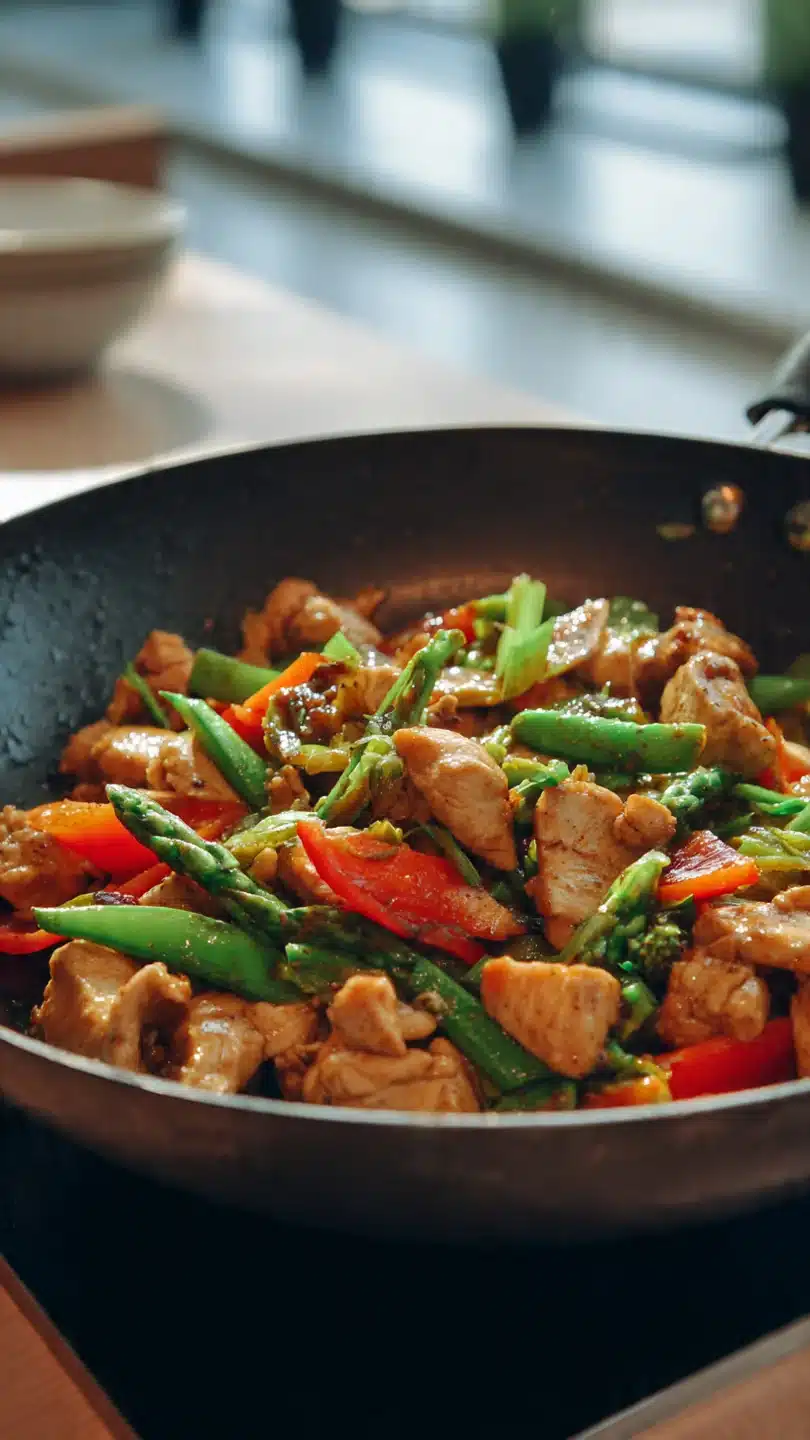
Ultimate Chicken Stir Fry
Ingredients
Equipment
Method
- In a medium bowl, toss the chicken pieces with 1 tablespoon of cornstarch until evenly coated. This creates a light crust that helps the chicken sear beautifully and stay juicy. Let it sit while you prep your vegetables.
- Heat a large wok or heavy-bottomed skillet over high heat until very hot, about 2 minutes. Add 2 tablespoons of oil. Working in batches to avoid crowding, add the chicken in a single layer. Let it sear undisturbed for 1-2 minutes until golden, then stir-fry for 3-4 more minutes until cooked through. Transfer to a clean plate.
- Reduce heat to medium-high. Add the remaining 1 tablespoon of oil to the wok. Add the garlic, ginger, and the white parts of the green onions. Stir-fry for just 30 seconds until fragrant—be careful not to burn them.
- Add the harder vegetables first: the broccoli and bell pepper. Stir-fry for 2-3 minutes. Then add the snow peas and stir-fry for another 1-2 minutes until all vegetables are crisp-tender and brightly colored.
- Return the cooked chicken to the wok. Pour the prepared sauce over everything. Stir-fry vigorously for 1-2 minutes until the sauce thickens into a glossy coating that clings to the chicken and vegetables. Remove from heat and stir in the green onion tops.


