

Chicken rice bowls
There’s a special kind of satisfaction that comes from a perfectly composed bowl. It’s not just a plate of food; it’s a complete, balanced experience where every component—the savory protein, the fluffy base, the crisp vegetables, and the glossy sauce—comes together in one harmonious bite. As a chef, I appreciate the elegant simplicity, and as a busy home cook, I rely on the speed and flexibility.
These chicken rice bowls are my ultimate weeknight workhorse, delivering restaurant-quality flavor with minimal fuss and maximum opportunity for creativity. You’re about to learn a foundational formula that will become a trusted favorite in your dinner rotation.
- One-pan convenience: The chicken and vegetables cook sequentially in the same skillet, meaning less cleanup and more flavor layered into every step.
- Big flavor, fast: A simple 5-ingredient marinade doubles as a glossy, restaurant-style sauce, creating deep flavor in under 30 minutes.
- Meal prep champion: These bowls store and reheat beautifully, making them ideal for planning ahead for lunches or easy future dinners.
- Diet-flexible: Easily adaptable to be gluten-free (use tamari), lower-carb (use cauliflower rice), or packed with extra veggies.
- Endlessly customizable: Swap proteins, change the veggie mix, or adjust the sauce to suit your mood or what’s in your fridge.
- Family-friendly: Everyone can build their own bowl with their preferred toppings, making it a hit with both kids and adults.
Ingredients You’ll Need
Let’s gather our ingredients—this is where simple pantry staples transform into something truly special. The magic lies in the balance: the salty umami of soy sauce, the sweet touch of honey, the bright acidity of rice vinegar, and the aromatic punch of fresh garlic and ginger. Trust me, using fresh ginger here makes a world of difference compared to the powdered kind.
For the star of our bowl, I recommend chicken thighs for their inherent juiciness and flavor, but breasts work perfectly if you prefer leaner meat. For the vegetables, choose a colorful mix for nutrition and visual appeal—broccoli florets, thinly sliced bell peppers, snap peas, and matchstick carrots are my go-to combination. The cornstarch is our secret weapon; it thickens the marinade into a luxurious sauce that clings to every piece of chicken and veggie.
Finally, don’t skip the garnishes. The green onions and sesame seeds add a final layer of freshness and texture that elevates the entire dish.

Note: You’ll find the complete list of ingredients, along with their exact measurements, in the printable recipe card at the bottom of this post.
Kitchen Equipment Needed
You don’t need any fancy gear for this recipe. A large skillet or wok is essential for achieving a good sear on the chicken and having enough room to stir-fry the vegetables. A sharp chef’s knife and sturdy cutting board will make prepping quick and safe.
You’ll also need a medium mixing bowl and a whisk for the marinade, and a trusty pair of tongs for turning the chicken. That’s really it! Having everything measured and chopped before you start cooking (your mise en place) is the professional trick to a smooth, stress-free process.
How to Make Chicken Rice Bowls Recipe
Step 1: Build the Flavor Foundation
In your mixing bowl, whisk together the soy sauce, honey, rice vinegar, garlic, ginger, and cornstarch. Whisk vigorously until no lumps of cornstarch remain—this prevents a grainy sauce later. Add your cubed chicken and toss until every piece is coated.
Let it sit for at least 10 minutes. Believe me, this short marinating time allows the flavors to penetrate the chicken and starts the tenderizing process, making a noticeable difference in the final result.
Step 2: Sear the Chicken to Perfection
Heat one tablespoon of oil in your large skillet over medium-high heat until it shimmers. Using tongs, lift the chicken from the marinade (save every drop of that marinade!) and add it to the pan in a single layer. Resist the urge to move it around for the first minute or two; this allows a beautiful golden-brown crust to form.
Cook for 5-7 minutes total, turning occasionally, until the chicken is cooked through. Transfer it to a clean plate.
Step 3: Crisp-Tender Vegetable Sauté
In the same skillet, add the remaining oil. Toss in your harder vegetables first, like carrots or broccoli, and stir-fry for a minute before adding quicker-cooking veggies like peppers or snap peas. The goal is vibrant color and a bit of crunch.
This should take 3-5 minutes total. You’re building layers of flavor in the same pan where the chicken cooked.
Step 4: Create the Glossy, Clinging Sauce
Now for the fun part! Pour the reserved marinade into the skillet with the vegetables. It will sizzle and bubble.
Stir constantly and let it come to a full simmer. Tip from me: You must bring this to a boil to ensure food safety and to activate the cornstarch. In just 1-2 minutes, you’ll see it transform from a thin liquid into a thick, glossy glaze that coats the back of a spoon.
Step 5: Combine and Serve with Style
Return the cooked chicken and any accumulated juices to the skillet. Toss everything together until the chicken and vegetables are luxuriously coated in that shiny sauce. Remove from the heat.
To serve, fluff your cooked rice and divide it among bowls. Pile the saucy chicken and vegetable mixture on top. Finish with a generous sprinkle of green onions and sesame seeds.
Step back and admire your beautiful, balanced creation before digging in.
- The Cornstarch Slurry Secret: Always whisk your cornstarch into the cold liquid ingredients before adding heat. Adding it directly to a hot pan will cause it to clump instantly. This method guarantees a smooth, lump-free sauce.
- Pan Temperature is Key: Make sure your skillet is properly hot before adding the chicken. You should hear a confident sizzle. If the pan is too cool, the chicken will steam and boil in its juices instead of developing that flavorful sear.
- Don’t Crowd the Pan: Giving the chicken pieces space is non-negotiable. Overcrowding lowers the pan temperature and creates steam, which prevents browning. If necessary, cook the chicken in two batches.
- Vegetable Prep for Even Cooking: Cut your vegetables into uniform sizes. Dense vegetables like carrots and broccoli should be cut smaller or thinner than softer peppers or onions to ensure everything finishes cooking at the same time.
- Rest Your Meat: Letting the cooked chicken rest on the plate for a few minutes before adding it back to the sauce allows the juices to redistribute, ensuring every bite is moist and tender.
Recipe Variations
- Spicy Gochujang Bowl: Replace the honey with 2 tablespoons of gochujang (Korean chili paste) for a deep, sweet, and spicy flavor profile. Add a teaspoon of sesame oil to the marinade.
- Lemon Herb Mediterranean Bowl: Swap the soy sauce for lemon juice and olive oil. Use oregano and thyme instead of ginger. Serve with cucumbers, cherry tomatoes, olives, and a dollop of tzatziki.
- Creamy Coconut Curry Bowl: Substitute the soy sauce and rice vinegar with 1 cup of canned coconut milk and 2 tablespoons of red or yellow curry paste. Simmer until thickened.
- Teriyaki Pineapple Bowl: Add 1 cup of fresh or canned pineapple chunks to the skillet with the vegetables. The natural sugars will caramelize and add a fantastic sweet-tangy element.
- Ground Turkey or Beef Bowl: Brown 1.5 pounds of ground meat, then proceed with the sauce and vegetable steps. It’s a quicker, equally delicious alternative.
- Vegetarian Power Bowl: Replace the chicken with extra-firm tofu (pressed and cubed) or a can of drained chickpeas. For a meaty texture, sauté sliced portobello mushrooms first.
- Low-Carb/Cauliflower Rice Bowl: Simply swap the white rice for riced cauliflower. Sauté it briefly in the pan after removing the chicken and veggie mixture to warm it through.
What to Serve With This Recipe
These bowls are a complete meal on their own, but they pair wonderfully with simple, complementary sides. For a starter, a light ginger-sesame cucumber salad or a simple miso soup sets the stage perfectly. If you’re serving a crowd, consider adding a platter of vegetable spring rolls or edamame sprinkled with sea salt for sharing.
Beverage-wise, a crisp lager, a dry Riesling, or even sparkling water with a slice of lime complements the flavors beautifully. This dish is ideal for casual weeknight dinners, effortless weekend lunches, or even a build-your-own-bowl bar for entertaining.
Storage & Make-Ahead Instructions
- Refrigerator Storage: Store components separately or combined in airtight containers for up to 4 days. The sauce may thicken; add a splash of water or broth when reheating.
- Freezer Instructions: The cooked chicken and vegetable mixture (without fresh garnishes) freezes well for up to 3 months. Thaw overnight in the refrigerator before reheating. Cook fresh rice when ready to serve for the best texture.
- Reheating Best Practices: Reheat gently in a microwave, covered, stirring occasionally. For best results, reheat in a skillet over medium-low heat with a tablespoon of water to revive the sauce.
- Make-Ahead Strategy: You can chop all vegetables and make the marinade up to 2 days in advance. Store them separately in the fridge. Cube and marinate the chicken for up to 4 hours ahead for maximum flavor and tenderness.
Frequently Asked Questions
Q: Can I use frozen vegetables?
A: Absolutely. There’s no need to thaw them; add them directly to the hot skillet. You may need to add an extra minute or two to the cooking time, and be prepared for a bit more liquid to release as they cook.
Q: My sauce isn’t thickening. What did I do wrong?
A: The most common culprit is not bringing the sauce to a full, bubbling simmer. Cornstarch needs to reach a near-boil to activate its thickening power. If it’s still thin, mix 1 more teaspoon of cornstarch with 1 tablespoon of cold water and stir it into the simmering sauce.
Q: How do I know when the chicken is fully cooked?
A: The safest way is to use an instant-read thermometer. Chicken is safe to eat at 165°F (74°C). Visually, the juices should run clear, and the meat should be opaque all the way through when you cut into a larger piece.
Q: Can I make this gluten-free?
A: Yes, easily! Simply ensure you use gluten-free tamari instead of regular soy sauce, and double-check that your other ingredients (like rice vinegar) are certified gluten-free.
Q: Is it safe to cook with the marinade that held raw chicken?
A: Yes, but only if you bring it to a full, rolling boil for at least 1-2 minutes, as directed in the recipe. This boiling step eliminates any harmful bacteria, transforming the marinade into a safe and delicious sauce.
Q: What’s the best rice to use?
A: Short or medium-grain white rice (like Jasmine or Calrose) yields a slightly sticky, fluffy texture that holds the sauce well. Brown rice adds nuttiness and extra fiber but will require a longer cook time separately.
Q: Can I bake the chicken instead of pan-frying it?
A: You can. Spread the marinated chicken on a parchment-lined baking sheet and bake at 400°F (200°C) for 15-20 minutes. You’ll need to make the sauce separately in a saucepan using the marinade, bringing it to a boil until thickened.
Final Thoughts
This chicken rice bowl recipe is more than just a single dish; it’s a template for countless delicious, healthy, and satisfying meals. I’ve developed and tested this formula to give you a foolproof path to a fantastic dinner, but I also encourage you to make it your own. Swap in your favorite veggies, play with the sauce, or try a different protein.
The core techniques—the quick marinade, the proper sear, and the simple pan sauce—are culinary building blocks you’ll use again and again. I hope this recipe earns a permanent spot in your weekly lineup and brings as much reliable joy to your table as it does to mine. If you give it a try, I’d love to hear how it turned out!
Share your creations and variations with me. Now, go grab that skillet—dinner is waiting.
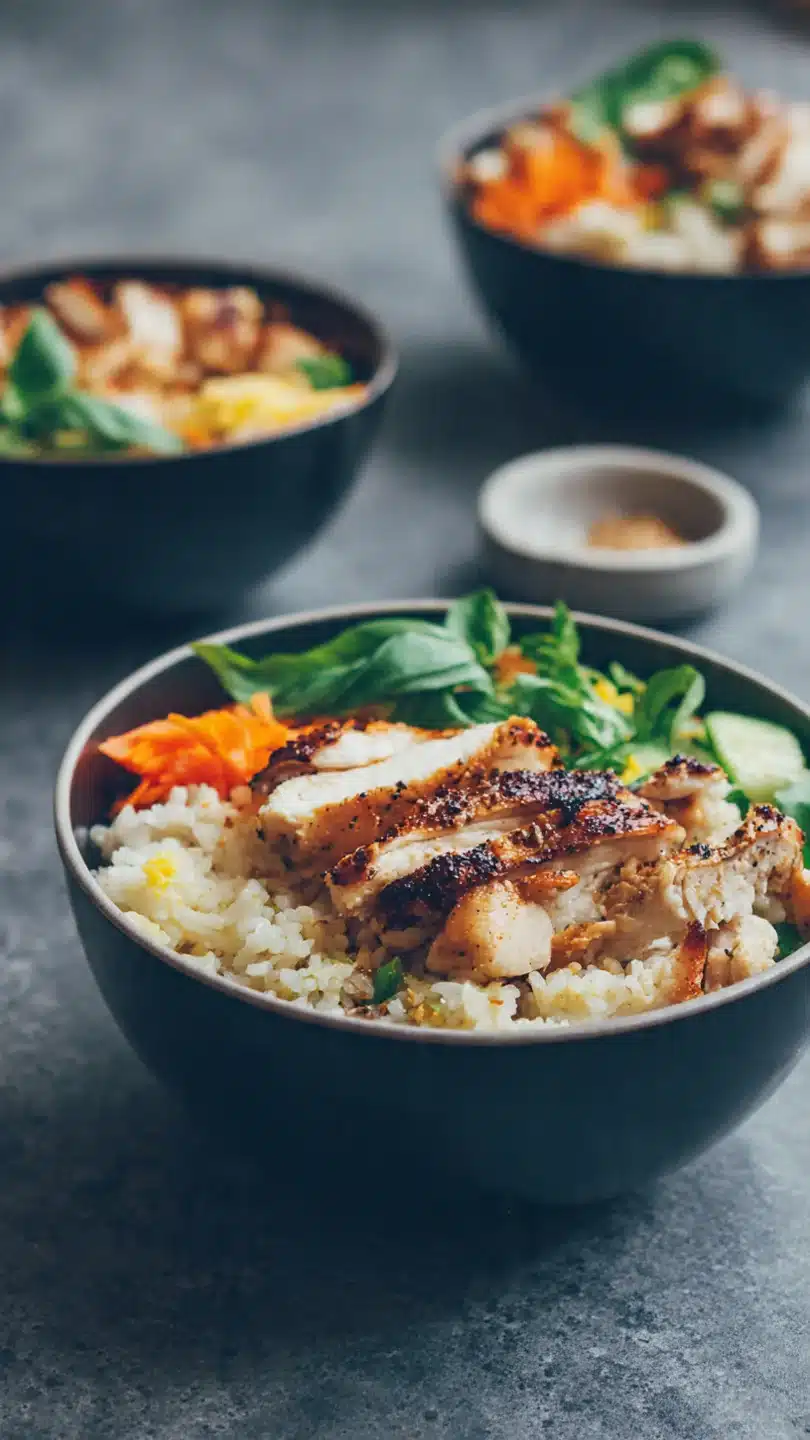
Easy Chicken Rice Bowls
Ingredients
Equipment
Method
- In a medium bowl, whisk together the soy sauce, honey, rice vinegar, minced garlic, grated ginger, and cornstarch until the cornstarch is fully dissolved. Add the cubed chicken and toss to coat thoroughly. Let it marinate for at least 10 minutes while you prep your vegetables. This quick marinade is the flavor foundation.
- Heat 1 tablespoon of oil in a large skillet or wok over medium-high heat. Using tongs, remove the chicken from the marinade (reserve the marinade!) and add it to the hot skillet in a single layer. Cook for 5-7 minutes, turning occasionally, until the chicken is cooked through and nicely browned on all sides. Transfer the cooked chicken to a clean plate.
- Add the remaining tablespoon of oil to the same skillet. Add your chopped vegetables and stir-fry for 3-5 minutes until they are crisp-tender and vibrant. For even cooking, add harder veggies like carrots first, then softer ones like peppers.
- Pour the reserved marinade into the skillet with the vegetables. Bring to a simmer, stirring constantly. The sauce will thicken and become glossy in about 1-2 minutes. This step cooks out the raw garlic and ginger and creates a delicious glaze.
- Return the cooked chicken to the skillet and toss everything together until the chicken and vegetables are evenly coated in the glossy sauce. Remove from heat.
- To serve, divide the cooked rice among four bowls. Top each with the saucy chicken and vegetable mixture. Garnish generously with sliced green onions and a sprinkle of sesame seeds. Serve immediately and enjoy the perfect balance of flavors and textures.


