

Cashew chicken
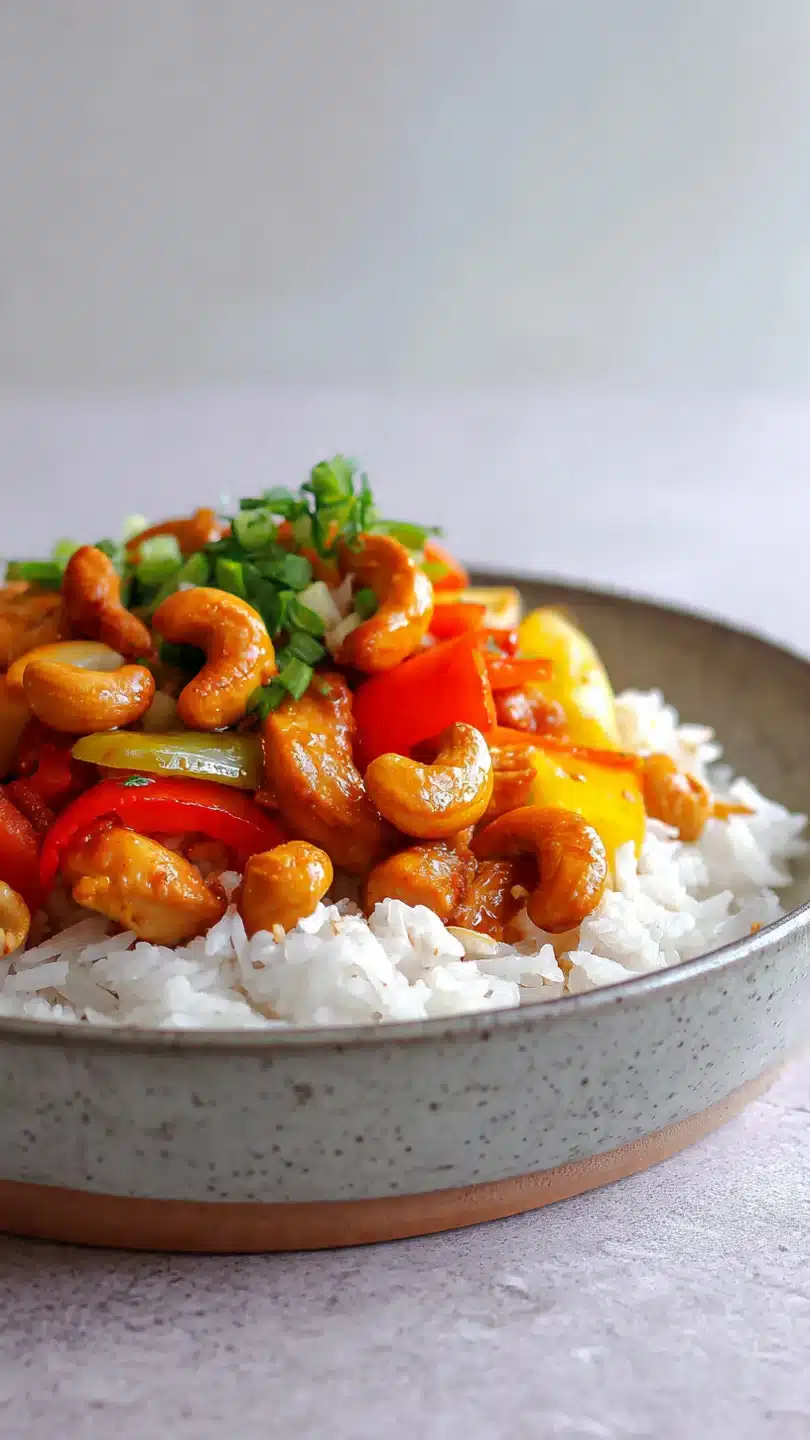
There’s something deeply satisfying about recreating a beloved takeout dish at home, especially when it turns out even better. The sizzle of chicken hitting a hot pan, the sweet and savory aroma of garlic and ginger blooming in oil, and the final glossy sheen of a perfectly thickened sauce—it’s a 30-minute culinary magic trick. This cashew chicken recipe is my weeknight warrior, delivering all the comforting flavors of the classic without the mystery ingredients or the delivery wait.
It’s a balanced, customizable dish where tender bites of chicken and crisp vegetables meet the rich crunch of toasted cashews in every forkful.
- Restaurant-Quality at Home: This recipe uses professional velveting and sauce-thickening techniques to achieve that signature glossy, clingy sauce and supremely tender chicken you find in good Chinese restaurants.
- 30-Minute Marvel: From fridge to table in under half an hour, this is a genuinely fast and satisfying meal for busy nights when takeout seems tempting.
- Customizable Canvas: Not a fan of broccoli? Swap it for snap peas. Need more heat? Add chili paste. This stir-fry framework adapts to your pantry and preferences beautifully.
- Big Flavor, Simple Pantry: The sauce is a powerhouse built from common condiments—soy, hoisin, oyster sauce—creating a complex umami depth that’s far greater than the sum of its parts.
- Meal-Prep Friendly: The components cook quickly, and the dish reheats wonderfully, making it a stellar option for packing lunches or planning ahead.
Ingredients You’ll Need
Let’s gather our ingredients—this is where the magic starts. The beauty of this cashew chicken lies in the balance of savory, sweet, salty, and nutty elements, all coming from accessible pantry staples. For the chicken, I highly recommend thighs for their juiciness and flavor, but breasts work perfectly if that’s what you have.
The trio of soy, hoisin, and oyster sauce is non-negotiable for that authentic base flavor; they’re the “holy trinity” of many stir-fry sauces. If you need a gluten-free version, simply use tamari and a certified GF oyster sauce. For the cashews, please use raw, unsalted ones.
We toast them in the pan at the end, which unlocks their buttery flavor and gives them that perfect crunch without making them soggy. You can find all of these ingredients in the international aisle of any major grocery store.

Note: You’ll find the complete list of ingredients, along with their exact measurements, in the printable recipe card at the bottom of this post.
Kitchen Equipment Needed
You don’t need specialized gear, but the right tools make the stir-fry process smooth and efficient. A large carbon steel wok is ideal for its high heat retention and sloped sides, but a 12-inch stainless steel or cast-iron skillet works excellently too—just ensure it’s large enough to avoid steaming the ingredients. A good sharp chef’s knife will make quick work of chopping the chicken and vegetables.
Have a couple of mixing bowls ready for marinating the chicken and pre-mixing the sauce; this “mise en place” is the professional secret to a stress-free stir-fry. Finally, a flexible spatula or wok spatula is perfect for tossing and stirring everything efficiently.
How to Make Cashew Chicken Recipe
Step 1: Marinate the Chicken
In a medium bowl, combine your cubed chicken with one tablespoon of soy sauce, the Shaoxing wine, and a teaspoon of cornstarch. Use your hands or a fork to mix until every piece is evenly coated. Let this sit for at least 10 minutes.
Trust me, this simple step is called “velveting.” The cornstarch forms a protective layer that seals in the chicken’s juices during the high-heat stir-fry, guaranteeing tender, not rubbery, results every single time.
Step 2: Prepare the Stir-Fry Sauce
While the chicken marinates, whisk together the chicken broth, remaining soy sauce, hoisin, oyster sauce, sesame oil, rice vinegar, and the last teaspoon of cornstarch in a separate bowl. Whisk it until it’s completely smooth with no cornstarch lumps. Believe me, having your sauce pre-mixed and ready to go is the single biggest tip for successful stir-frying.
It allows you to add it all at once, ensuring even distribution and perfect, quick thickening without any scrambling.
Step 3: Sear the Chicken
Heat one tablespoon of oil in your wok or skillet over high heat until it shimmers. Add the marinated chicken in a single layer and let it cook undisturbed for 2-3 minutes to develop a beautiful sear. Then, stir-fry for another 3-4 minutes until the chicken is cooked through and has some golden-brown spots.
Tip from me: Don’t crowd the pan. If needed, cook the chicken in two batches to ensure proper searing instead of steaming. Transfer the cooked chicken to a clean plate.
Step 4: Stir-Fry the Aromatics and Vegetables
Reduce the heat to medium-high and add the remaining oil. Toss in the garlic, ginger, and the white parts of the green onions. Stir-fry for just 30 seconds—you’ll smell their incredible fragrance—but be vigilant to avoid burning.
Now, add the diced bell pepper and broccoli florets. Stir-fry these for 2-3 minutes. You want them to be vibrant in color and crisp-tender, as they’ll continue to cook slightly in the next step.
Step 5: Bring It All Together
Now comes the fun part. Give your pre-mixed sauce a quick re-stir and pour it right into the center of the pan. It will bubble and begin to thicken into a glossy glaze almost immediately.
Once it thickens slightly (about 1 minute), return the cooked chicken and any juices on the plate back to the pan. Add the raw cashews. Toss everything together vigorously for about one more minute until every piece is luxuriously coated in sauce and heated through.
The cashews will toast lightly from the pan’s heat.
Step 6: Finish and Serve
Remove the pan from the heat immediately. Stir in the green parts of the green onions for a fresh, colorful finish. Take a moment to taste and adjust—sometimes a tiny splash of water is needed if the sauce thickened too much.
Serve this glorious creation straight from the pan over a bed of fluffy steamed rice. Step back and admire the glossy sheen and incredible aroma before you dig in.
- The High-Heat Principle: Stir-frying is a high-heat, quick-cooking method. Ensure your pan is properly preheated before adding ingredients. This sears the food, creating complex flavors (the Maillard reaction) instead of boiling them in their own juices.
- Cornstarch is Your Friend: The cornstarch serves two critical functions. In the marinade, it velvets the chicken. In the sauce, it acts as a slurry, creating that silky, clingy texture that defines a great stir-fry sauce without making it gloppy.
- Don’t Skip the Toasting: Adding raw cashews at the very end is intentional. They warm through and toast slightly in the residual heat, becoming fragrant and crisp. If you add them earlier, they risk becoming unpleasantly soft or burning.
- Mise en Place is Mandatory: Have every ingredient chopped, measured, and within arm’s reach before you turn on the stove. Stir-frying moves fast, and there’s no time to mince garlic while your chicken is cooking.
Recipe Variations & Customizations
- Vegetarian Cashew “Chicken”: Replace the chicken with extra-firm tofu (pressed and cubed) or a store-bought plant-based chicken alternative. Use vegetable broth and ensure your oyster sauce substitute is vegetarian.
- Spicy Szechuan Style: Add 1-2 teaspoons of chili garlic paste or Szechuan peppercorns (lightly crushed) to the sauce. Garnish with fresh red chili slices for an extra kick.
- Different Veggie Mix: Swap the broccoli and bell pepper for snap peas, sliced water chestnuts, baby corn, or shredded carrots. Add leafy greens like bok choy or spinach in the last 30 seconds of cooking.
- Nut-Free Version: For those with allergies, substitute the cashews with toasted sunflower seeds or pumpkin seeds. You’ll miss the buttery flavor but still get a satisfying crunch.
- Low-Carb/Keto Adaptation: Thicken the sauce with 1/2 teaspoon of xanthan gum instead of cornstarch and serve the stir-fry over cauliflower rice. Double-check that your sauces are sugar-free.
- Extra-Crunchy: For an even nuttier texture and flavor, toast the cashews in a dry pan for 2-3 minutes before starting the recipe. Let them cool, then add them at the end as directed.
What to Serve With This Recipe
Cashew chicken is a complete meal when served over steamed white or brown rice, which soaks up the delicious sauce perfectly. For a lighter option, try it with cauliflower rice. To round out the meal, I love serving it with a simple, refreshing side to cut through the richness.
A quick cucumber salad (thinly sliced cucumbers tossed with rice vinegar, a pinch of sugar, and sesame seeds) or a bowl of hot and sour soup are classic pairings. For a more substantial spread, include vegetable spring rolls or edamame sprinkled with sea salt as starters. A light, crisp beer like a lager or pilsner, or a slightly off-dry Riesling, complements the savory-sweet flavors beautifully.
Storage & Make-Ahead Instructions
- Refrigerator Storage: Store leftovers in an airtight container in the refrigerator for up to 3 days. The sauce may thicken significantly when cold.
- Reheating Best Practices: Reheat gently in a skillet over medium-low heat with a tiny splash of water or chicken broth to loosen the sauce. Microwave reheating can make the chicken rubbery and the cashews soggy.
- Freezing Not Recommended: I do not recommend freezing this dish. The vegetables will become mushy upon thawing, and the sauce may separate due to the cornstarch.
- Make-Ahead Strategy: You can fully prep this dish for fast cooking. Cube and marinate the chicken up to 24 hours in advance. Chop all vegetables and store them together in a container. Mix the sauce and keep it in a jar in the fridge. When ready to cook, you can have dinner on the table in 12 minutes.
Frequently Asked Questions
Q: Can I use frozen vegetables?
A: You can, but I don’t recommend it for best results. Frozen vegetables release a lot of water as they cook, which will dilute your beautifully crafted sauce and prevent proper searing. If you must, pat them dry thoroughly and add them directly from frozen in the last 2-3 minutes of cooking.
Q: My sauce turned out too thick. How can I fix it?
A: No problem! Simply add warm water or chicken broth, one tablespoon at a time, to the pan after everything is combined. Stir over low heat until the sauce reaches your desired consistency.
Q: Can I make this gluten-free?
A: Absolutely. Use tamari or a certified gluten-free soy sauce in place of regular soy sauce. Substitute the oyster sauce with a gluten-free vegetarian stir-fry sauce or “mushroom stir-fry sauce.” Always check the labels on your hoisin sauce, as many contain wheat.
Q: Why are my cashews soggy?
A: This happens if they are added too early or if you use pre-roasted/salted cashews. Pre-roasted cashews have already absorbed oil and will soften in the sauce. Always use raw, unsalted cashews and add them in the final toss, just to warm through.
Q: What’s the best substitute for Shaoxing wine?
A: Dry sherry is the closest substitute. If you don’t have either, you can use a dry white wine or even skip it, adding an extra tablespoon of chicken broth to the marinade instead.
Q: How do I know when the chicken is done stir-frying?
A: The chicken should be opaque all the way through and register 165°F (74°C) on an instant-read thermometer. Visually, it will no longer look pink and the juices will run clear.
Q: Can I double this recipe?
A: Yes, but cook in batches. To ensure proper searing and avoid steaming, cook the chicken in two separate batches. You may also need to cook the vegetables in batches depending on your pan size.
Final Thoughts
This cashew chicken recipe is more than just a quick dinner—it’s a testament to how a handful of simple ingredients and a few professional techniques can create something truly spectacular at home. You get to control the quality, the sodium level, and the freshness, all while enjoying a process that’s as rewarding as the meal itself. The combination of tender chicken, crisp-tender vegetables, and that irresistible savory-sweet sauce with buttery cashews is a crowd-pleaser every single time.
I hope this recipe becomes a trusted favorite in your kitchen, giving you the confidence to skip the takeout menu. If you make it, I’d love to hear how it turned out! Share your results and any creative twists you tried.
Happy cooking
Better-Than-Takeout Cashew Chicken
Ingredients
Equipment
Method
- In a medium bowl, combine the cubed chicken, 1 tablespoon of soy sauce, Shaoxing wine, and 1 teaspoon of cornstarch. Mix well until the chicken is evenly coated and let it marinate for at least 10 minutes while you prep the other ingredients. This quick marinade is the secret to tender, flavorful chicken.
- In a separate small bowl or measuring cup, whisk together the chicken broth, remaining 1 tablespoon of soy sauce, hoisin sauce, oyster sauce, sesame oil, rice vinegar, and the remaining 1 teaspoon of cornstarch until completely smooth. This is your stir-fry sauce—having it pre-mixed is crucial for a quick, seamless cook.
- Heat 1 tablespoon of neutral oil in a large wok or skillet over high heat. Add the marinated chicken in a single layer and cook without moving for 2-3 minutes to get a good sear. Then stir-fry for another 3-4 minutes until the chicken is cooked through and lightly browned. Transfer the chicken to a clean plate.
- Reduce the heat to medium-high and add the remaining 1 tablespoon of oil to the pan. Add the garlic, ginger, and the white parts of the green onions. Stir-fry for just 30 seconds until fragrant—be careful not to burn them. Add the bell pepper and broccoli and stir-fry for 2-3 minutes until they are bright in color and crisp-tender.
- Give the prepared sauce a quick re-stir, then pour it into the center of the pan with the vegetables. It will immediately begin to bubble and thicken. Once it’s glossy and has thickened slightly (about 1 minute), return the cooked chicken and any accumulated juices back to the pan. Add the raw cashews and toss everything together until it’s beautifully coated in the sauce and heated through, about 1 more minute.
- Remove the pan from the heat. Stir in the green parts of the green onions. Taste and adjust seasoning if needed. Serve immediately over steamed rice. Step back and admire your glossy, restaurant-worthy creation before digging in.


